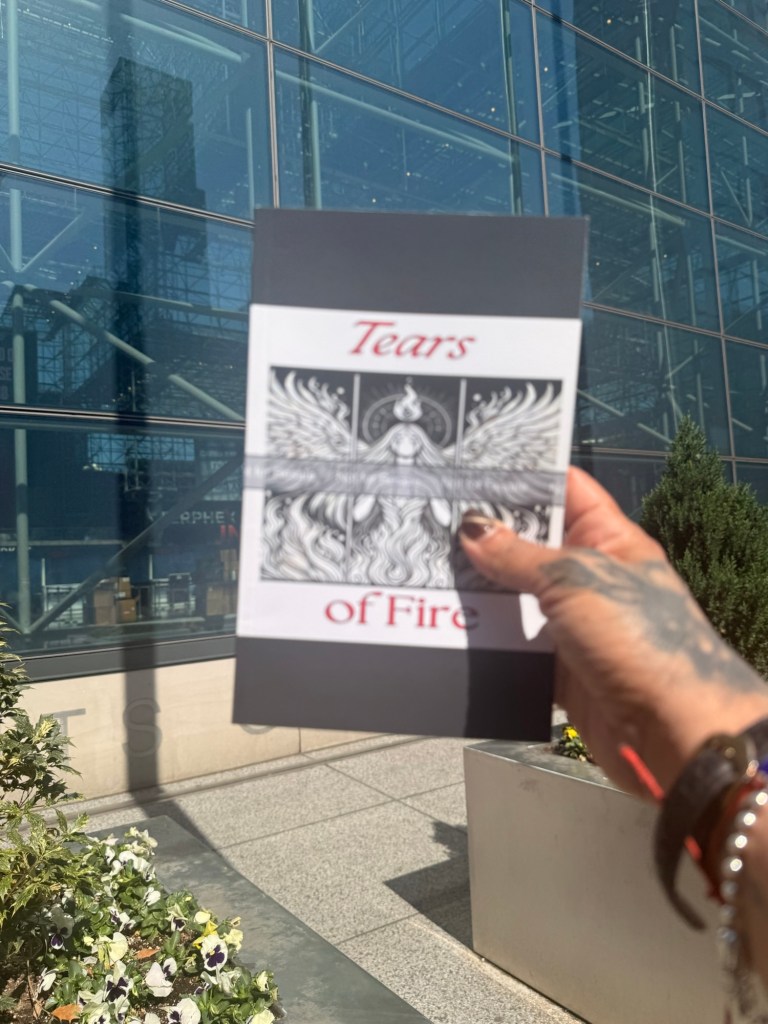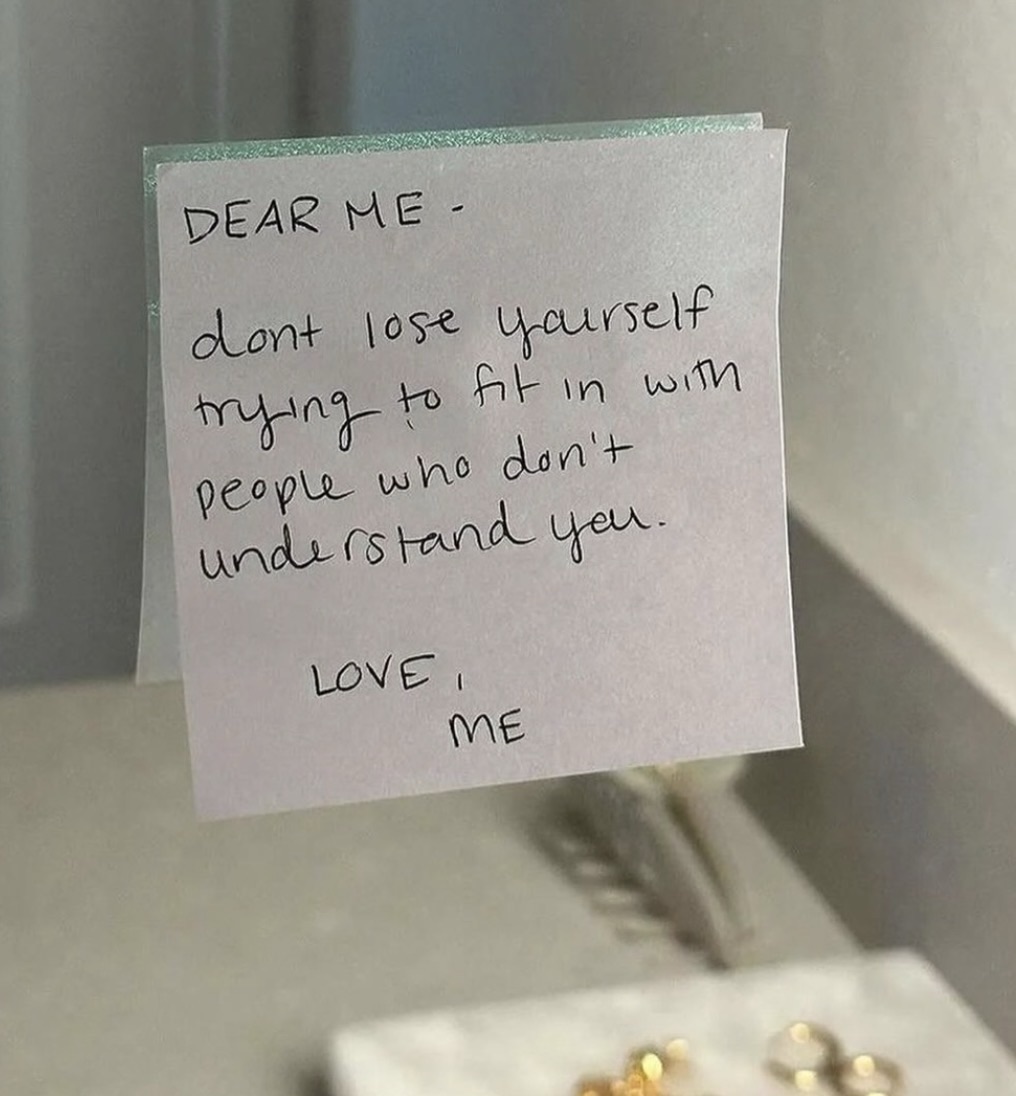
I want to talk about something that I think a lot of creators sit with but don’t always say out loud. Sometimes you put something into the world not because you know it’s going to land, but because you believe it’s important. Because something in you said this needs to exist. And that reason that one is enough. I didn’t create what I created because I was chasing numbers. I created it because I thought it could help someone.
Because it meant something to me. And that meaning doesn’t disappear just because the response was quiet. We live in a world that measures worth in metrics. Likes, views, shares. And it’s easy to let that math talk you out of your own conviction.
But I keep coming back to this: if you share something true, something you genuinely believe in, you’ve already done the thing. The reach is secondary. The intention is the foundation. Not everyone will want what you have. That’s not failure. That’s just how it works. Your people are specific. Your message is specific. And specificity takes time to find its audience. So keep sharing what matters to you.
Not for the validation. Because it’s important. Because you think it’s important. And that’s the only reason you ever needed.
I want to take a moment to say thank you to Bad Bunny to Benito, really.
The Super Bowl halftime show was layered. It wasn’t loud just to be loud. It wasn’t spectacle for the sake of spectacle. It was intentional. Cultural. Personal. And full of messages that landed differently depending on who you are and where you’re standing in your life.
There were messages for the youth. Messages for people who come from somewhere and had to fight to be seen. Messages about pride, language, roots, and refusing to dilute yourself to be accepted. All of that mattered. Deeply.
But one moment stayed with me more than anything else.
When he said, believe in yourself.
And then without overexplaining, without drama he handed the Grammy to his younger self.
That moment stopped me.
Because that wasn’t performance. That was acknowledgment. That was healing. That was a grown man looking back at the version of himself who probably doubted, struggled, felt unseen, and saying: We did it. I didn’t abandon you.
Make your inner child proud
There was something so powerful about watching someone honor not just their success, but the work it took to get there. The quiet nights. The moments of being misunderstood. The choice to keep going without losing who you are.
And the pride in his heritage unapologetic, woven into the fabric of the performance, not explained or translated was beautiful. Not because it needed validation, but because it never asked for it.
Ironically, or maybe not ironically at all, that message felt like it was meant for me.
Where I am right now in my life, I’m doing a lot of looking back. A lot of reconciling with earlier versions of myself. A lot of asking whether I believed enough, trusted enough, stayed true enough. Seeing that exchange between present self and younger self felt like permission to be proud of how far I’ve come, even if I’m not “done” yet.
So thank you, Benito.
For reminding people especially the ones still becoming that believing in yourself isn’t arrogance. It’s survival. It’s continuity. It’s how you make it back to yourself without losing the thread.
And sometimes, the most powerful thing you can do is turn around, look your younger self in the eyes, and say: I carried you with me the whole time.
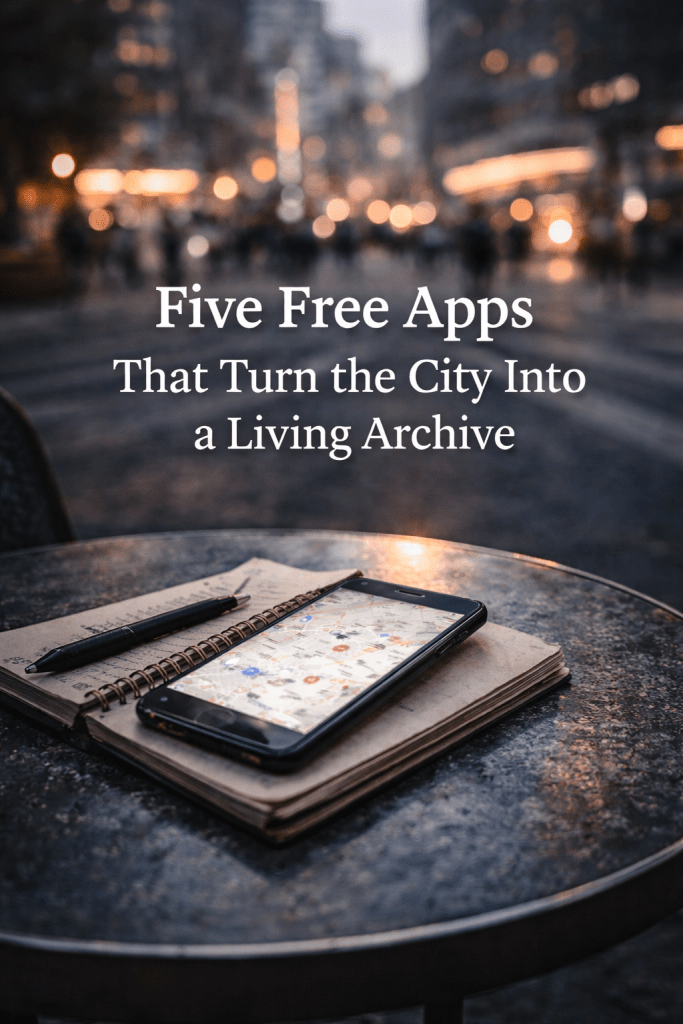
I move through cities the same way I move through memory slowly, observantly, noticing what most people rush past. I don’t just want to go places. I want to understand where I am, and I want to leave a trace for myself.
Which of these will you use first?
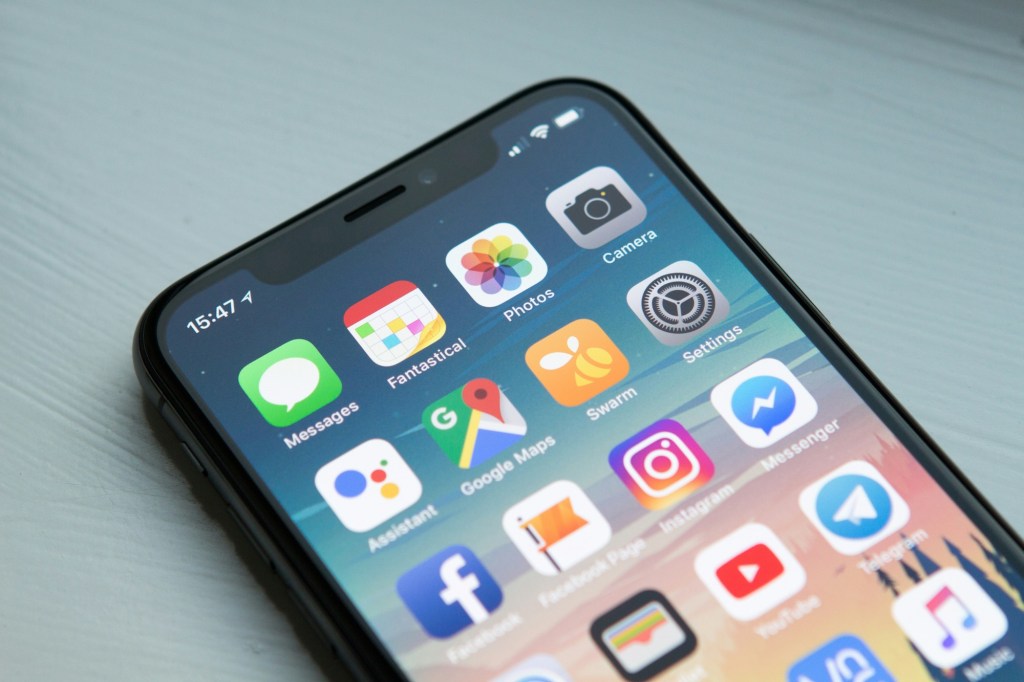
These free apps have quietly become part of how I explore, wander, and document. Think of them as modern tools for curiosity little digital companions that help turn a walk into a story and a moment into a keepsake.
This app is for the curious soul who knows the best places are rarely the loudest ones.
Atlas Obscura maps the strange, hidden, and often overlooked corners of cities forgotten monuments, unusual museums, secret staircases, quiet landmarks with history baked into their walls. It’s perfect for wandering without a rigid plan. You open it, see what’s nearby, and suddenly the city feels layered instead of flat.
It’s not about checking things off a list. It’s about discovering what was already there, waiting.
It mimics old-school photo booth strips four frames, one moment, no overthinking. There’s something intimate about it. No filters competing for attention. No pressure to perform. Just presence.
A photo booth has always been a form of proof: I was here. PocketBooth lets you do that anywhere alone, with friends, mid-walk, mid-life.
It allows you to document moments in a raw, almost analog way short clips that feel more like fragments than finished products. I use it when I don’t want polish. When I want truth. When the moment matters more than how it looks.
Some memories aren’t meant to be curated. They’re meant to be kept.
1SE captures just one second a day. I use it as a quiet form of documentation by the end of the month, I can see my days unfold, second by second. It’s a reminder that even the smallest moments count.
Bloomberg Connects gives access to museums, cultural spaces, galleries, and landmarks, while clearly breaking down what’s free and what’s not. It removes the guesswork and the intimidation that sometimes comes with cultural spaces.
I love that it makes exploration feel accessible no gatekeeping, no pressure, just information so you can choose how you want to engage.
Why I Keep These on My Phone
Together, these apps do two things: they help me discover, and they help me remember.
Exploration without documentation disappears.
Documentation without meaning feels empty.
These tools let me move through cities and through life with intention. Paying attention. Leaving small records behind. Honoring moments without trying to control them.
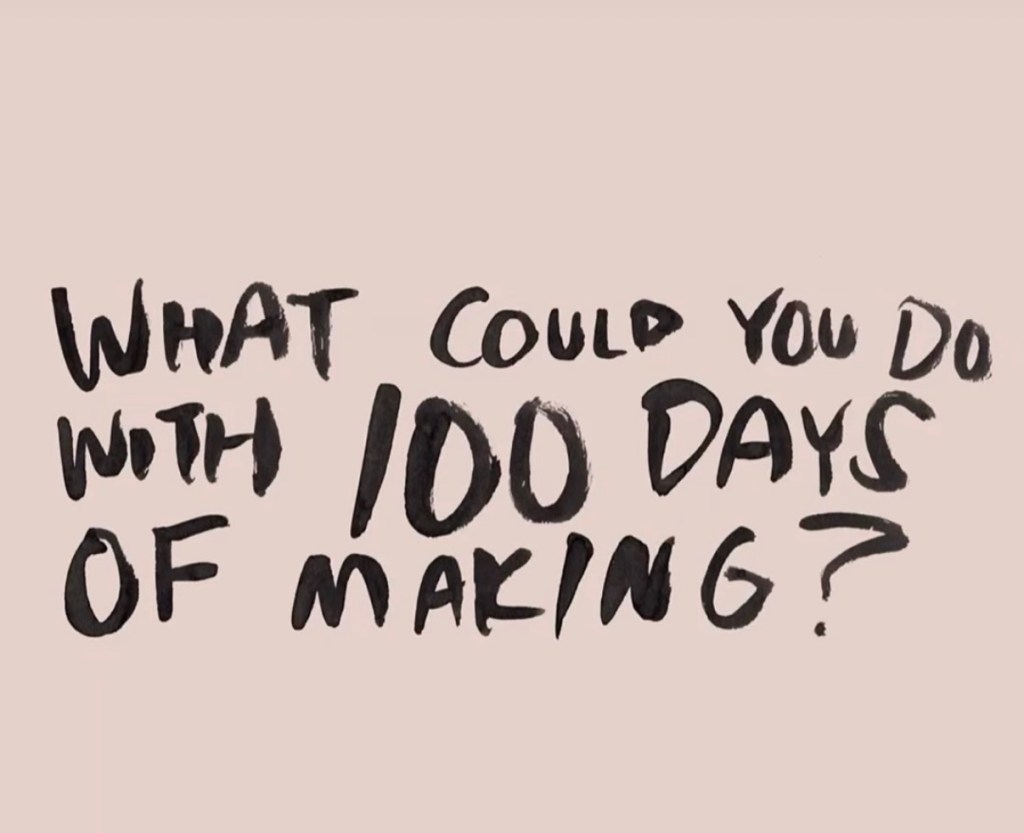
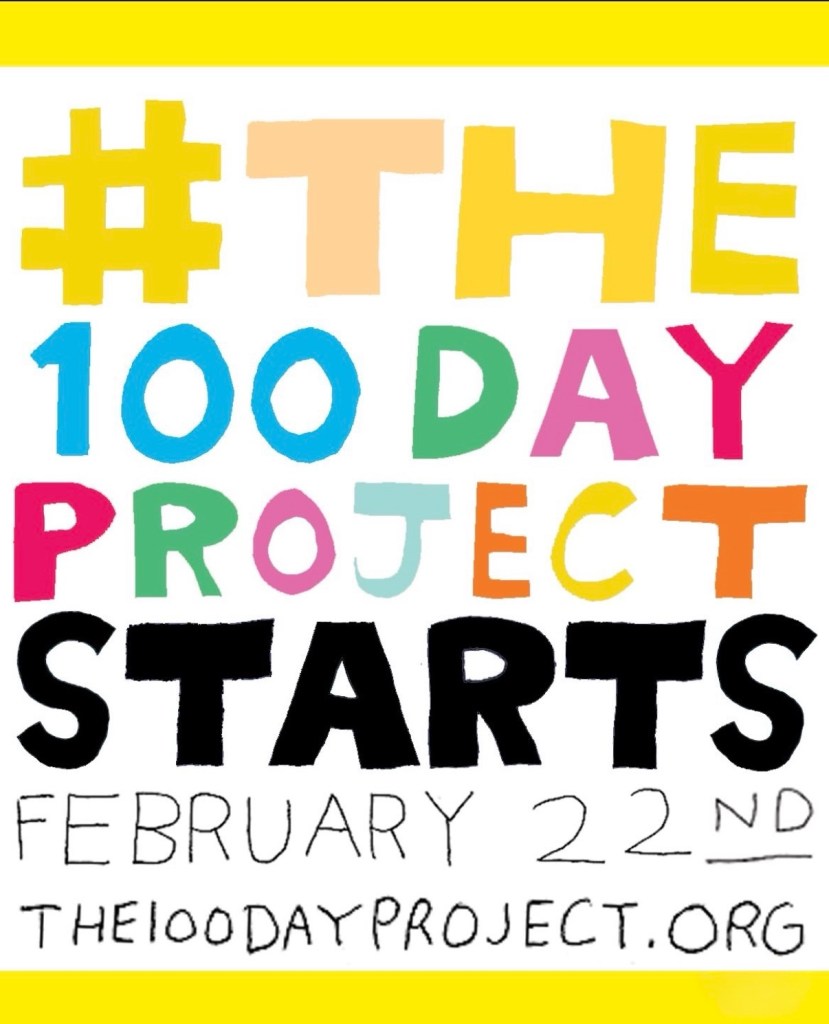
choose one creative practice and return to it every day for 100 days.
There are no requirements around skill level, materials, or outcomes.
Your practice can be anything writing, drawing, movement, photography, noticing, or something entirely your own.
How it works:
Choose one thing. Something small enough to repeat daily and flexible enough to grow with you. Commit to a short daily practice. Five minutes is enough. More is welcome, but not required.
Show up for 100 days. Not to perfect your craft, but to build a relationship with it. Share if you want. Sharing is optional.
Many people document their process publicly, others keep it entirely private.
The project isn’t about productivity or performance.
It’s about consistency, curiosity, and allowing creativity to exist without pressure.
The next cycle of the 100 Day Project begins on February 22 (2/22).
Will you join in?
The days leading up to it are a preparation period a chance to reflect, explore ideas, and decide what kind of creative practice you want to commit to.
Tomorrow, I’ll share what my own 100 days will look like.
when I knocked down my own tower and finally let myself see what it is I want to work toward. Tuesday came and the feelings didn’t leave. They lingered, pressed in, asking to be acknowledged.
So I began to encapsulate them, to plan because planning is part of what I’m building now.
By Wednesday, Thursday, and now Friday,
the lesson became clear: support matters.
Not a crowd. Not a circle for show. But someone who listens really listens who acknowledges the trials, who tries to understand.
I may not have what people call a group of friends, but having support that hears me
has made all the difference. In this journey of entering my sovereignty, I know I have to stay true to myself.
I know I have to keep going. This is a hard hill to climb.
But knowing I have the ability to succeed and the drive, and the support is what’s keeping me moving forward, even now.
You don’t need a plan, a prompt, or the right words to start journal therapy.
You just need a place to begin and permission to keep it simple.
If you’re new to this practice, here are three gentle ways to ease in.
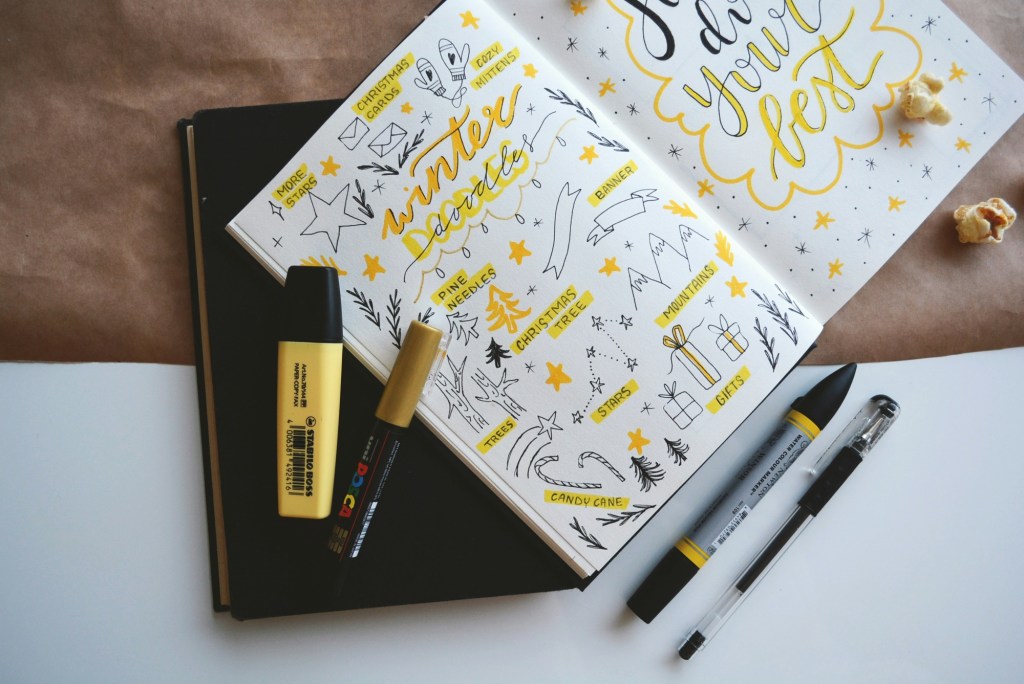
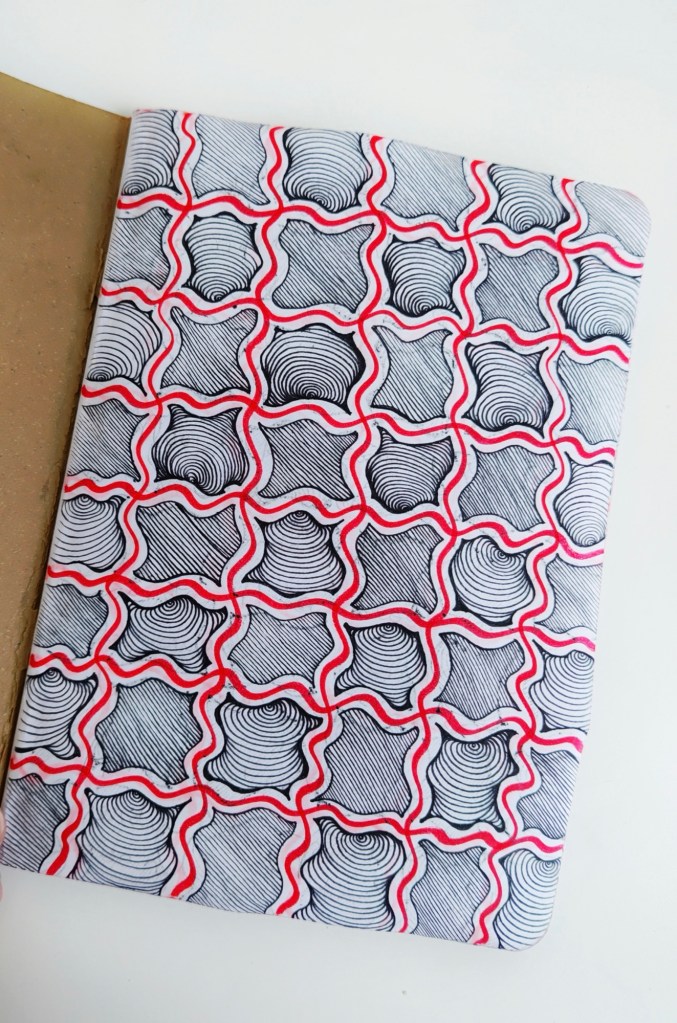
Choose tools that feel good to you. Find a pen you enjoy holding and a notebook that invites you in. I prefer a grid notebook it gives structure without pressure.
Find your start.
Set a 10-minute timer and just let out whatever is on your mind. Write without trying to sound profound.
This isn’t about pretty words or making sense. Don’t edit, don’t judge, don’t stop to reread. Let it be raw, repetitive, human. The page can hold it. Close with kindness.
When the timer ends, write one gentle closing line. A reminder that you showed up. That this was enough for today.