And I don’t know about you, but that number made me stop for a second.
We are more than halfway through the year.
Remember those goals we wrote down in January? The promises we made to ourselves? The things we swore this year would be different about?
Where are we with them?
I’m asking myself the same question.
This isn’t about beating ourselves up for what we haven’t accomplished. But I do think it’s time to buckle down. To be honest with ourselves. To look at the year so far and ask:
What have I actually done with the goals I said mattered to me?
So, I’m making a conscious effort to share one journal prompt every week.
But I don’t want to just throw a pretty prompt onto the internet and disappear.
I’m going to work with the prompt too.
Throughout the week, I’ll sit with it, write through it, and see what comes up. Then, at the end of the week, I’ll come back and share some of what I wrote.
I’m doing this alongside you.
For week one, I’m asking:
What part of yourself have you been quietly trying to return to?
Will you give yourself those 5 minutes?
Maybe week 29 is the week we stop waiting for January to try again.
For the longest time, I thought my favorite part of traveling was arriving.
Standing in a new city. Feeling a different breeze. Watching strangers live lives completely separate from mine.
But somewhere along the way, I realized my favorite part actually begins months before I ever leave.
It starts with opening a dozen tabs on my computer, wondering what the weather will be like.
It starts with saving places I’d love to visit, restaurants I might never make it to, bookstores hidden on quiet streets, museums that somehow found their way onto my list.
Then comes the budget.
The puzzle of making everything fit.
Flights. Hotels. Transportation. Food. The little souvenirs that somehow become memories you can hold in your hands.
There’s something strangely satisfying about piecing it all together, knowing every dollar set aside is quietly becoming an experience I’ll never forget.
The anticipation becomes part of the journey.
Every countdown. Every itinerary. Every late-night search that begins with “What should I do in…” and somehow ends three hours later with twenty tabs still open.
Happiness for my soul
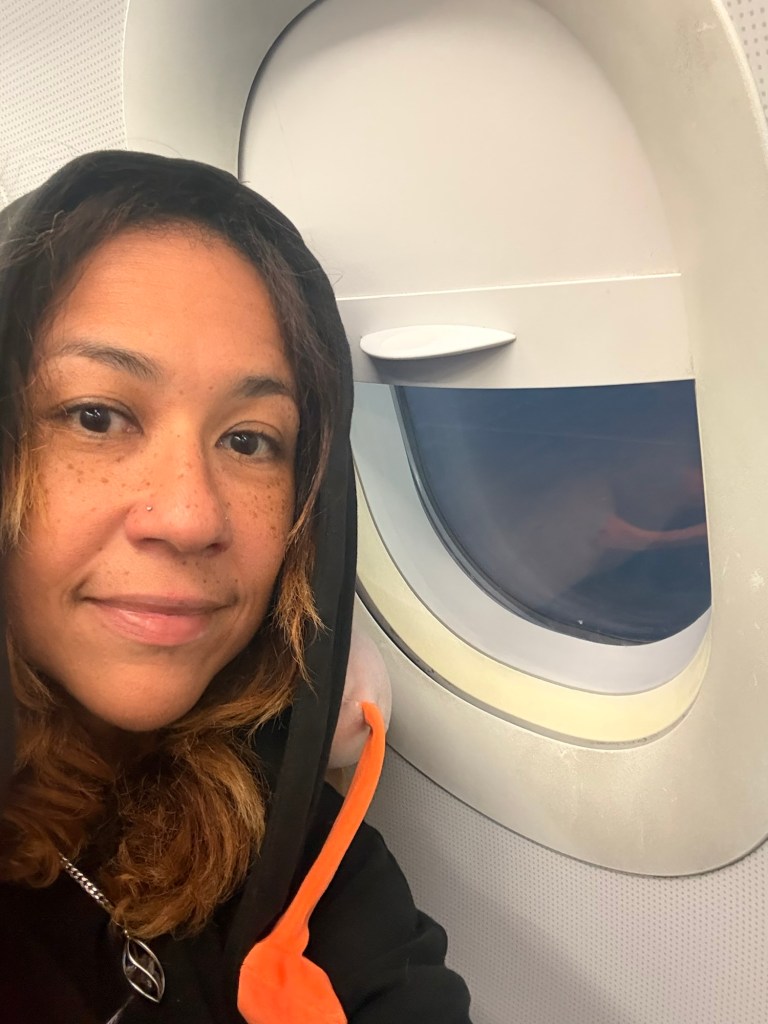
By the time I zip up my carry on, I’ve already traveled there a hundred times in my imagination.
But here’s what I’ve learned.
The places are beautiful.
The photos become keepsakes.
The sunsets eventually fade into memories.
What stays with me isn’t always what I expected.
It’s the conversations with strangers I’ll never see again.
The quiet moments sitting alone with a coffee, watching the world move around me.
Getting lost and discovering something I never would have planned.
Realizing how small I am in this enormous world and somehow feeling more connected because of it.
Every destination has quietly handed me something I didn’t know I needed.
Not souvenirs.
Pieces of myself.
With every trip, I come home carrying a little less fear, a little more wonder, and a reminder that life exists far beyond the routines I can so easily get trapped inside.
Maybe that’s why I keep feeling called to go.
Not because I’m running away from my life.
But because traveling reminds me how deeply I want to live it.
Wanderlust was never about collecting destinations.
It was always about collecting moments that made my soul feel awake.
Making moments count
And every time I return home, I bring back another piece of myself that I didn’t realize I’d been searching for all along.
Between work, life, writing, therapy, family, and trying to remember what day it is half the time, my brain felt like it had twenty tabs open and all of them were playing music.
So naturally, instead of doing what I was supposed to be doing, I ended up scrolling Instagram.
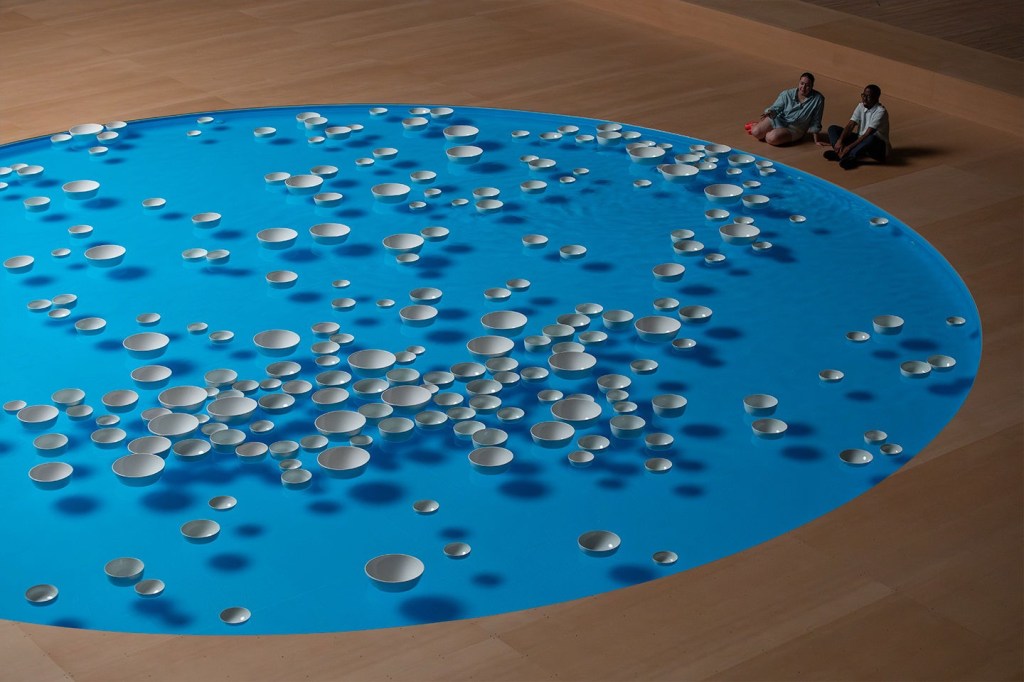
And that’s when I found an art installation called Clinamen.
Down the rabbit hole I went.
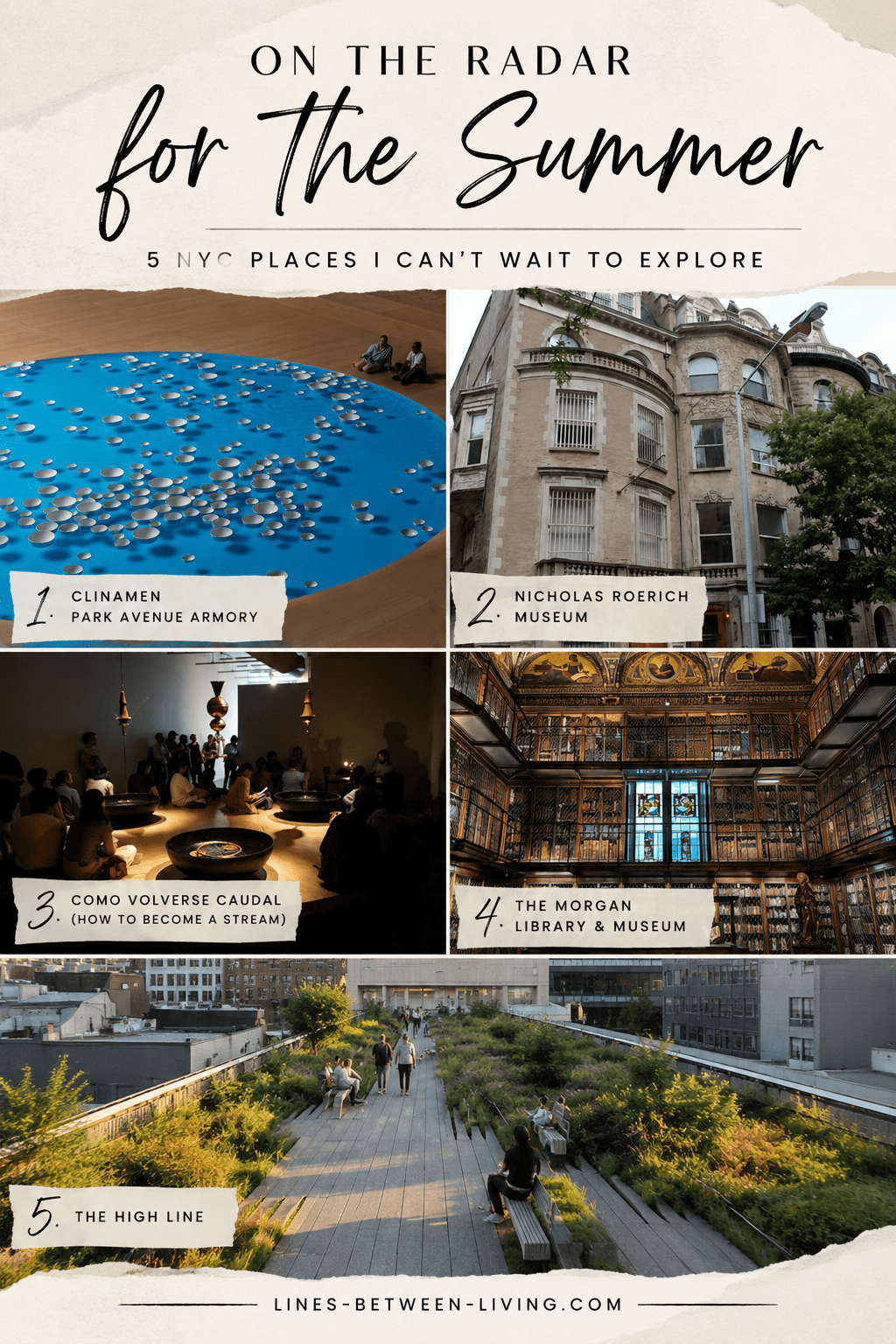
One post became another. One hidden place led to the next. Before I knew it, I had a list of places around NYC that I desperately want to visit this summer.
Maybe you’ll want to visit them too
Clinamen at Park Avenue Armory
This is the one that started it all.
At first, I was drawn in by the visuals. Hundreds of porcelain bowls floating across water, drifting into one another and creating patterns that are never quite the same twice.
Beautiful.
But what really got me was the meaning behind the word Clinamen.
It’s an ancient philosophical concept describing the moment something slightly deviates from its expected path.
Just a series of small turns that somehow lead us somewhere entirely different than we expected.
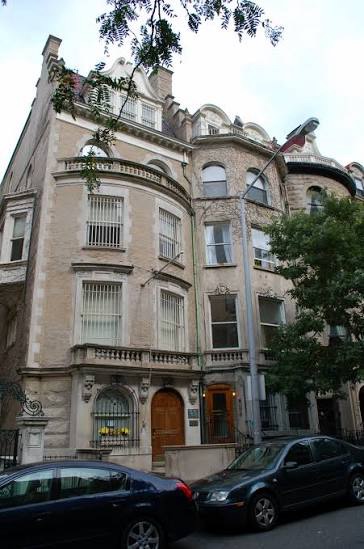
Next we have The Nicholas Roerich Museum
How have I lived in New York this long and never heard of this place? Hidden inside a brownstone on the Upper West Side, the museum is filled with mystical paintings inspired by the Himalayas, spiritual traditions, and landscapes that honestly look like they belong in another world. The best part? It’s free. The older I get, the more I appreciate places that allow you to slow down and just exist for a little while. This feels like one of those places.
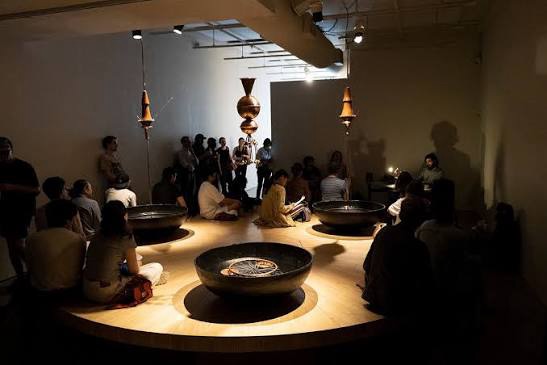
Como Volverse Caudal (How to Become a Stream)
Even the name pulled me in.
This installation uses water, sound, sculpture, and movement to create an experience that feels more like meditation than an exhibit.
Water droplets become music.
Objects move with the rhythm of flowing currents.
Visitors are encouraged to sit, listen, and simply be present.
Imagine that.
An entire exhibit built around something we rarely give ourselves permission to do.
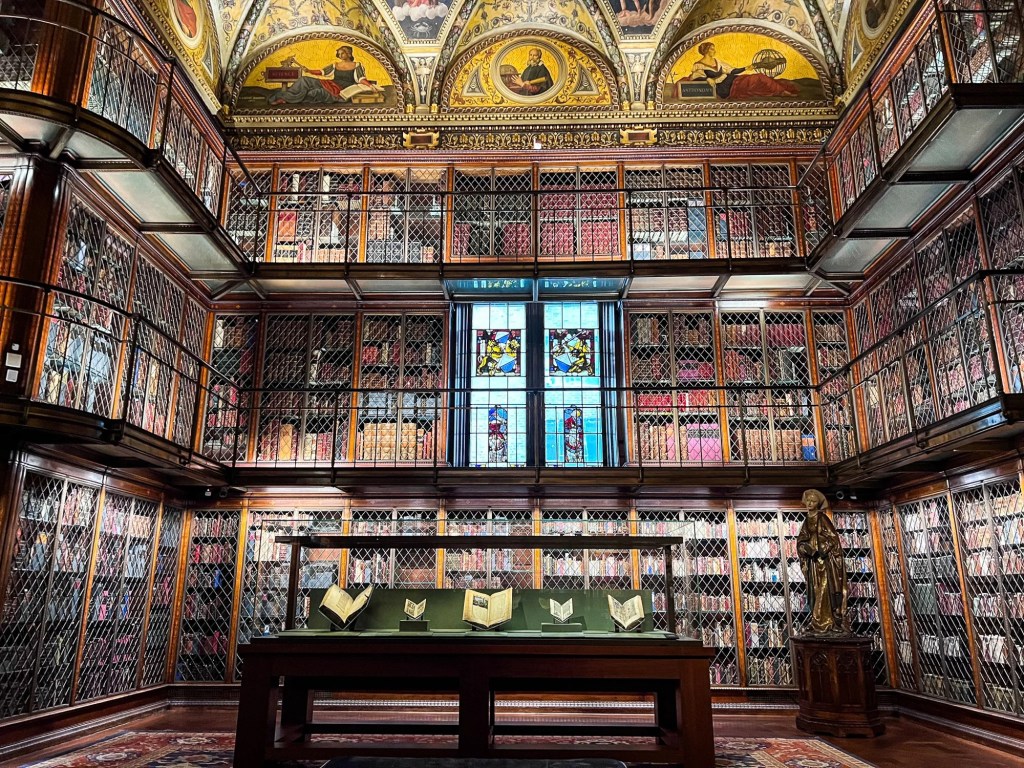
One place I’m been having my heart set on visiting for a while has been The Morgan Library.
The first time I saw pictures of it, I actually stopped scrolling.
Floor-to-ceiling books. Ornate ceilings. Spiral staircases. Rooms that feel like they belong inside a novel instead of the middle of Manhattan.
As someone who loves words, journals, poetry, and getting lost in bookstores, this place feels like somewhere I could easily lose track of time.
I already know I’ll probably walk in, stare at the shelves for a few minutes, and wonder how many stories have lived within those walls.
Sometimes the places we visit don’t just inspire us.
They remind us why we started creating in the first place.
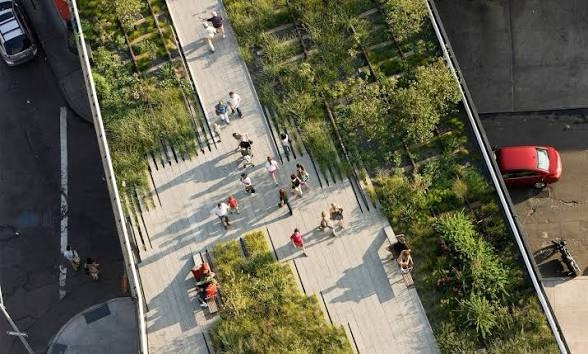
Last but not least we have TheHigh Line.
I’ve been here before, but some places deserve repeat visits.
A former railway transformed into a public park feels like the perfect metaphor for life.
Things don’t always become what they were originally intended to be.
Sometimes they become something else entirely.
And sometimes that something is beautiful.
Maybe that’s why I keep coming back.
What I love most about New York isn’t the famous landmarks.
It’s the unexpected places.
The hidden museums.
The art installations that make you stop and think.
The libraries that smell like stories.
The quiet corners that somehow make the city feel a little smaller.
Maybe that’s what I’m looking for this summer.
Not a grand adventure.
Just a few small deviations from my usual path.
Who knows?
Maybe that’s where the best stories begin.
Have you discovered any hidden NYC gems lately? I’d love to add them to my summer list.
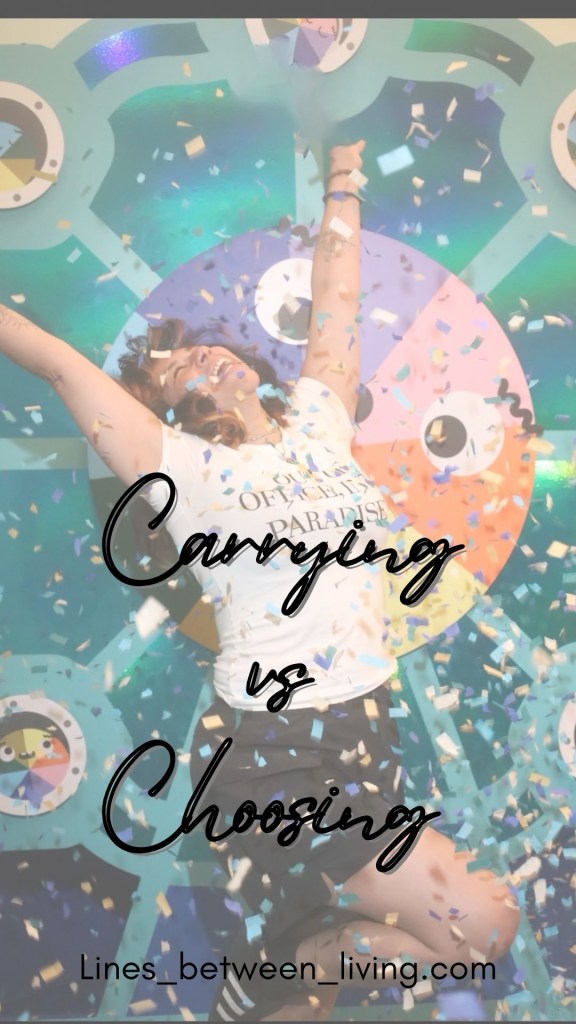
There is a misconception that before we choose joy, creativity, adventure, or growth, we must first set down everything heavy. As if life hands us a clean slate and says, “Now you may begin.” That has never been my experience. What I am carrying right now is not light. There are bills that do not care how tired I am. A deadline that sits in the corner of my mind no matter what else I am doing. Early mornings that begin while most of the world is still asleep. Conversations that are still unfolding inside my life.
Questions that have not found answers.
Responsibilities that do not pause because my heart needs a moment to catch up. Some days it feels as though I am carrying an entire house on my back. Yet somehow, I keep choosing things. I choose the poetry class. I choose to sit among strangers and talk about words as if they matter, because they do. I choose to keep building Lines Between Living even when no one is asking me to. I choose to write blog posts before dawn. I choose therapy. I choose difficult conversations. I choose hope when cynicism would be easier. I choose to make plans for a future that has not proven itself to me yet. The strange thing is that none of these choices make the weight disappear. The inquiries still exist. The bills still arrive. The uncertainty remains uncertain. The grief still taps me on the shoulder when I least expect it. The tension lives on. Maybe that is the lesson I keep resisting. Perhaps life is not asking me to become lighter before I move forward. Perhaps it is asking me to carry what I must and choose what I love anyway. I don’t know if that is strength. I don’t know if it is stubbornness. Most days I cannot tell the difference. What I do know is this: Tomorrow morning the alarm will ring long before sunrise. The responsibilities will still be waiting. And so will the poem. Both are true. I am carrying one. I am choosing the other.
It’s been like this for over a year. I said 2026 would be different, that I’d hit publish, that I’d push out each thing I created. All I see is the same as always. No comments. No sign that anyone needs me to keep going. And still, I try some more.
Maybe I’m not putting in enough effort. But it doesn’t feel like that, it feels like I’m creating, and creating and then once in a while someone will actually like something I’ve shared and that little flicker is usually enough to keep me going. I notice nothing seems to really hit.I can’t help but wonder if this is even something that should.
Nevertheless I still continue to push, because I believe in the work I want to share. I truly believe in journal therapy. It’s something in my own life that has truly helped me, and I want to be able to share that with people.
That what my PDF was always meant to be. A starter. A way to show people how easy it can be to begin. even when starting feels like the hardest part. It does like the hardest part. Once you start, it brings a kind of relief I can’t fully explain. That’s what I wish for anyone who comes across it.
I could give you a list of reasons life, work, the weight of everything I’ve been carrying but honestly? Sometimes the people who write about healing need a minute to just be in it without documenting it. This past month has been that for me.
But I’m back. And I’m coming back with something that’s been living in my Moleskine notebook for the past two weeks, taking up space in the best possible way.
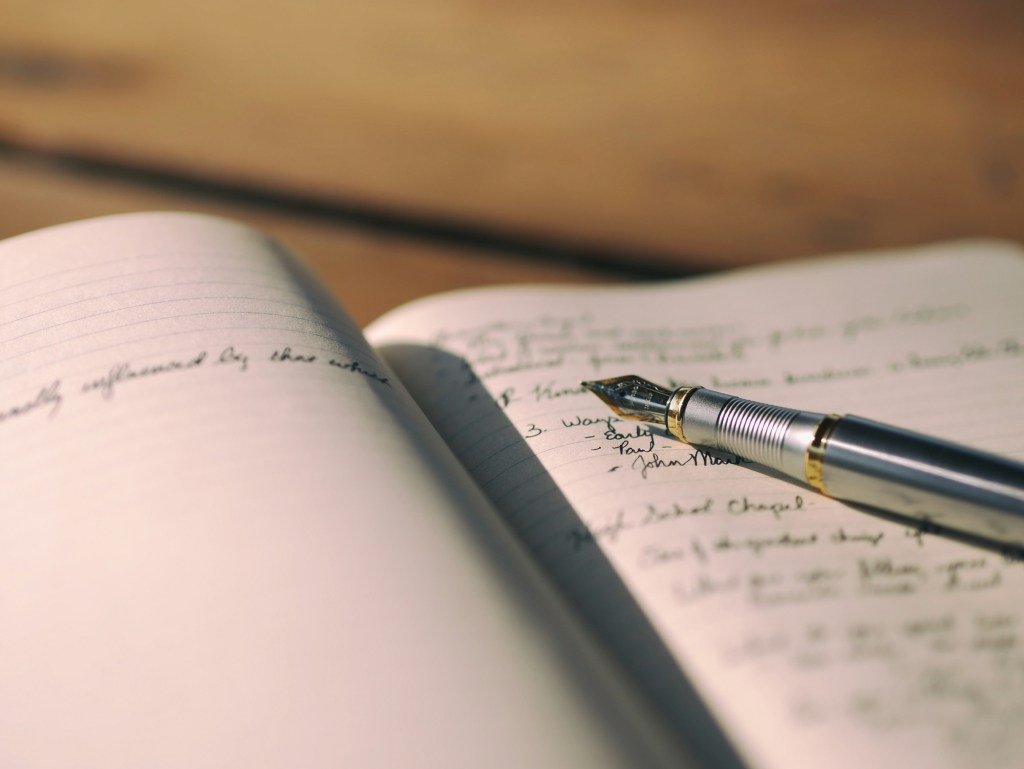
I’ve been writing down 100 things I want.
Not need. Not should have. Want.
You’d think that would be easy. It is not.
The first ten come fast. A house. Peace. More money. Travel. Health. You write them down feeling good about yourself, like yes, I know exactly who I am and what I’m building toward. And then you hit item eleven and something shifts.
Because now you have to go deeper.
Now you’re not just listing the obvious things you’re being asked to get honest about the quieter ones. The ones you’ve talked yourself out of. The ones that feel too small to say out loud or too big to believe. The ones you stopped wanting because someone once made you feel like you shouldn’t.
That’s where the real work is.
I’m not going to share my list with you. That feels sacred to me it lives in my notebook, between me and God and every ancestor who’s ever rooted for me. But I will tell you what the process of building it has felt like, because I think that’s actually the part worth talking about.
Around item 30, I had to get honest about things I’d been quietly grieving versions of my life I thought I’d let go of but apparently hadn’t. Around item 50, I started laughing because some of what I wrote felt ridiculous. Audacious. The kind of thing you whisper, not say. And I wrote it anyway.
It’s uncomfortable. In the best way.
By item 70, I was crying. Not from sadness from recognition. Like something in me had been waiting for permission to be seen.
Here’s what I’d tell you if you want to try this:
Start without rules. Don’t organize by category, don’t second-guess what belongs. Just write. Let it be a mess. Categories will find themselves.
Don’t edit while you’re building. The moment you cross something out because it feels silly or selfish or unrealistic, you’ve started lying to yourself. This is not the place for that.
Sit with the discomfort when it stalls. It will stall. That stall is usually pointing at something important. What you can’t name yet is often what you need the most.
This isn’t a vision board exercise. This is an excavation. You’re not just dreaming you’re deciding. There’s a difference.
April tried to humble me. It worked. But here’s what else happened.
April came in with punches I wasn’t ready for. The PDF I’ve been pouring into for two months is still sitting quiet with no sales. Writing slowed down in a way that scared me a little.
Friendships I thought were solid started showing cracks. Unexpected situations landed one after another and I had to just absorb them. But April also gave me things I didn’t expect to need as much as I did. I saw Naika live.
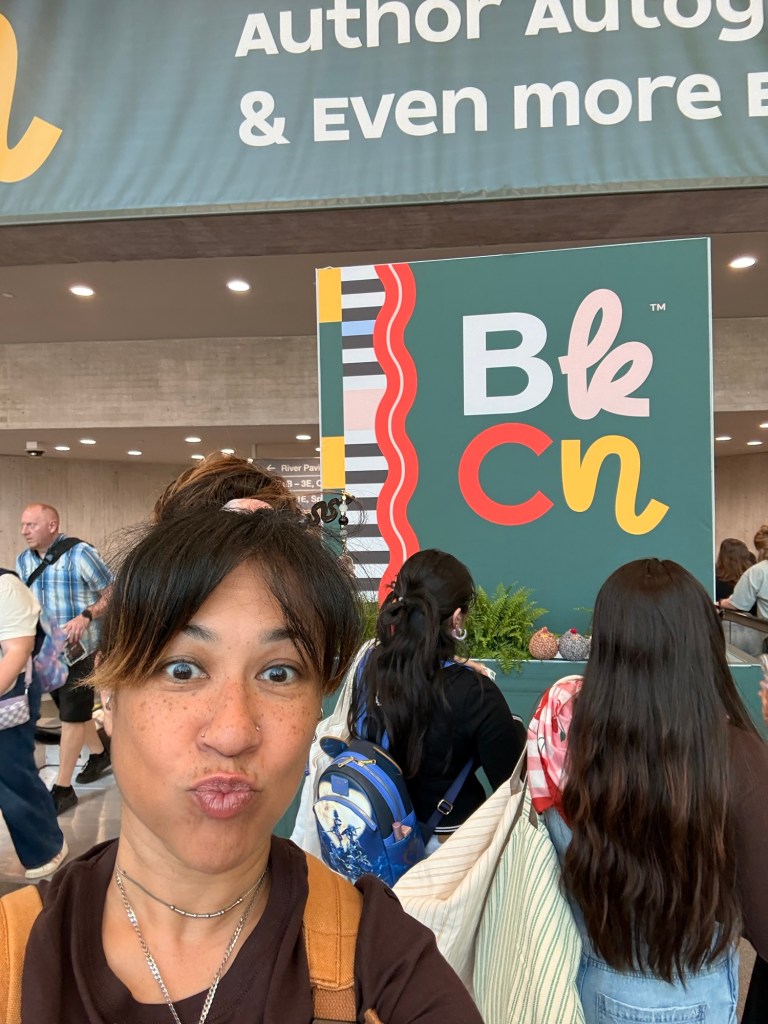
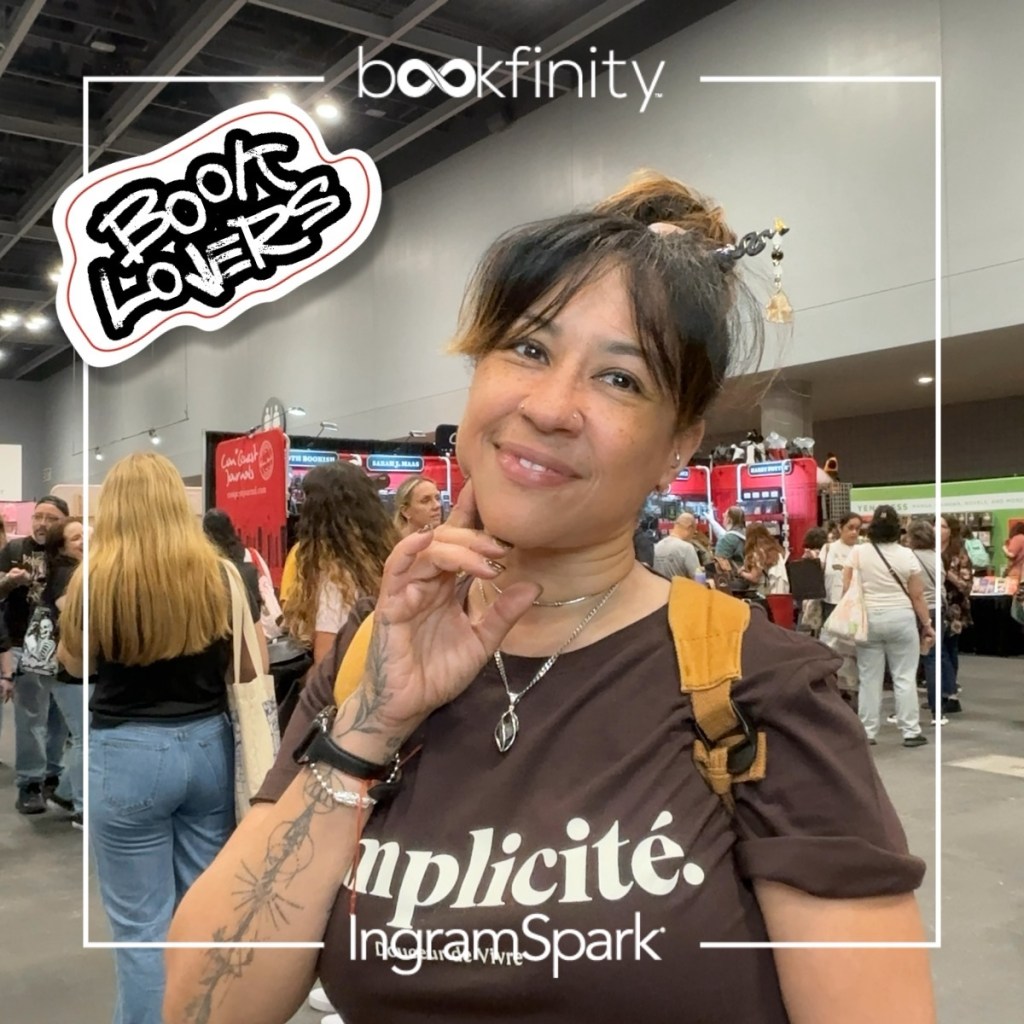
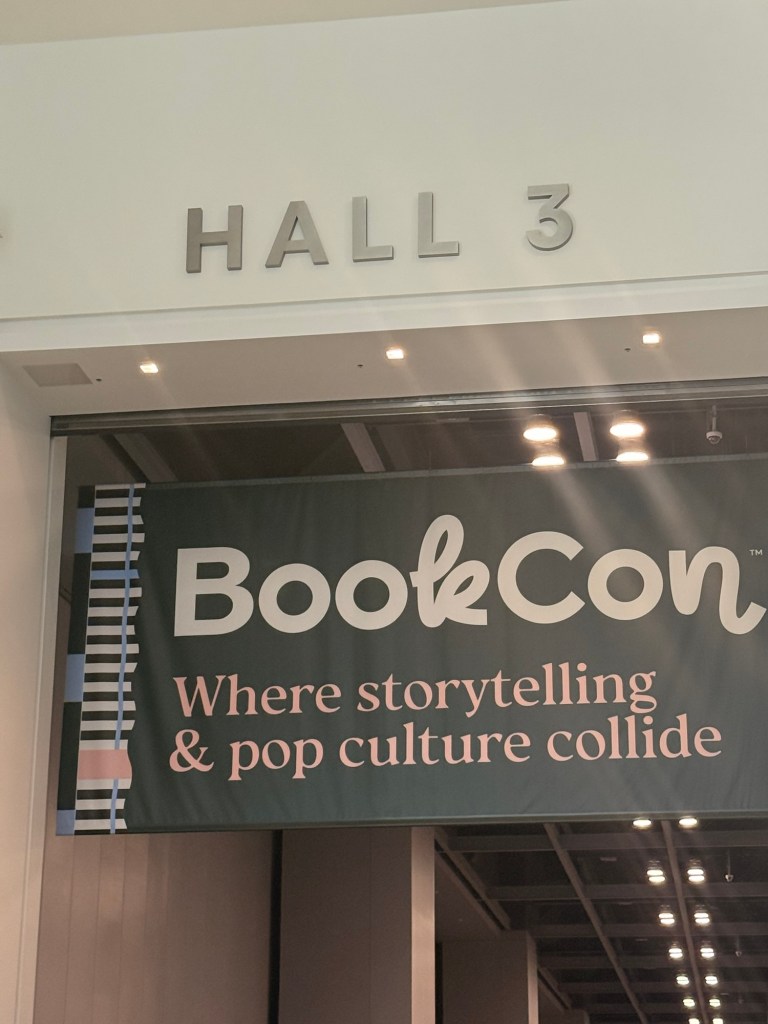
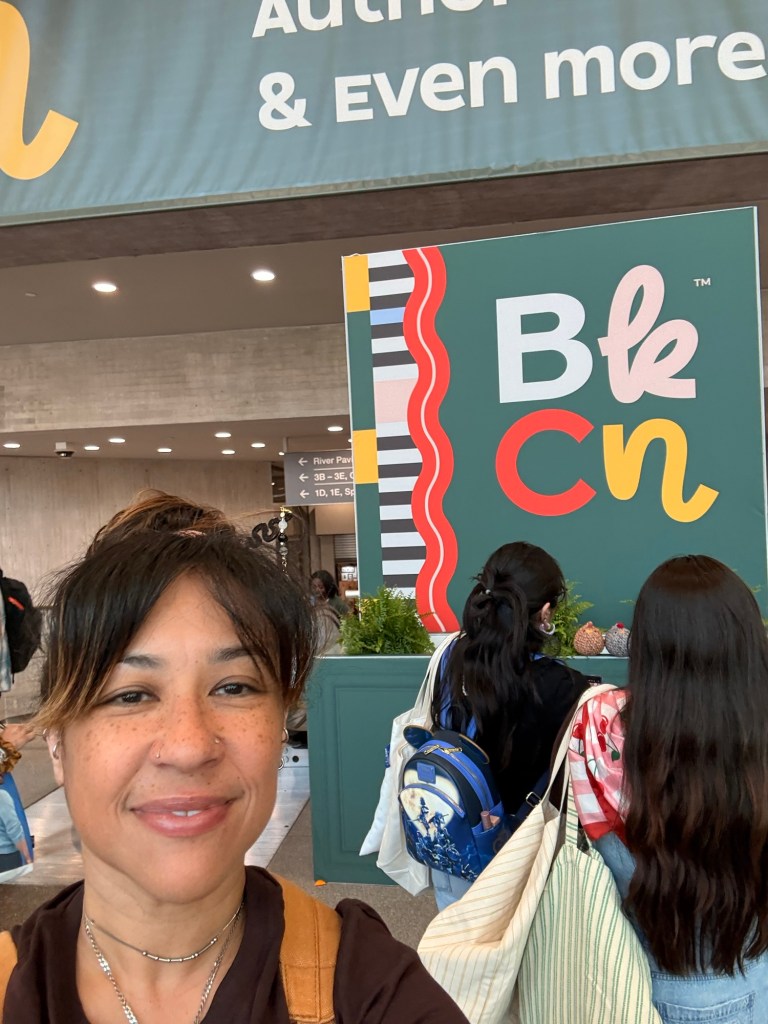
I walked into an Edgar Allan Poe themed speakeasy and let that be everything it was. I got to go to BookCon.
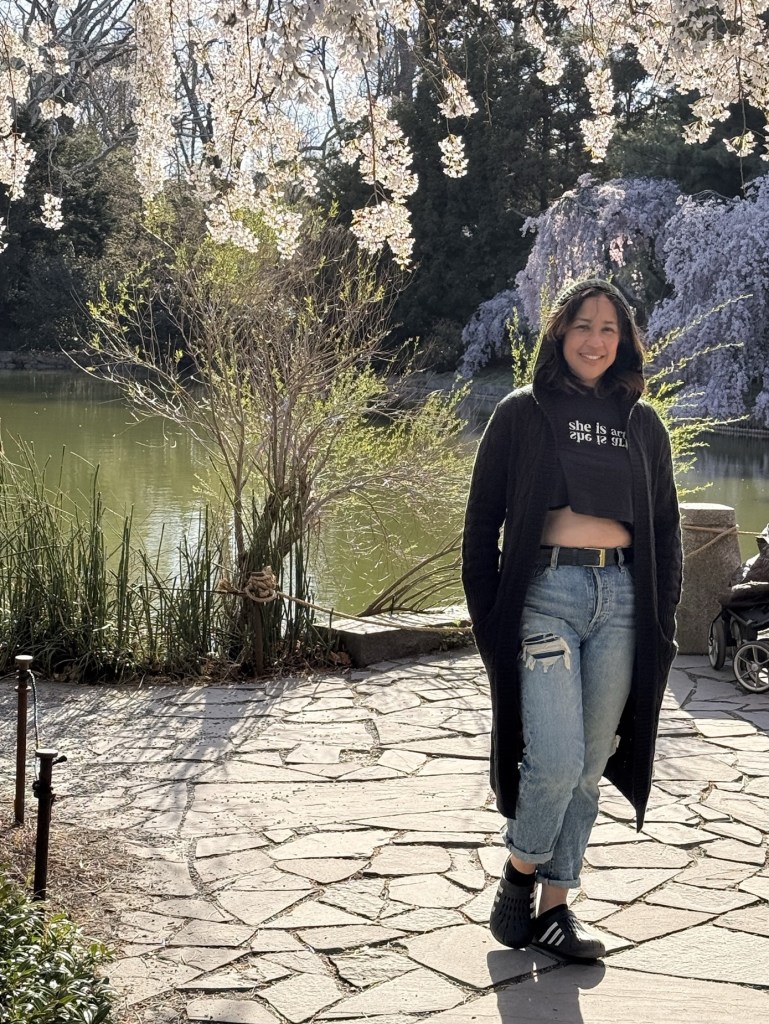
I stood under the cherry blossoms and let that mean something.
I started documenting what I’m building in a way that feels real. Those moments carried weight. They reminded me I’m still someone who shows up for beauty even when things are hard. So here’s what May is going to be about for me. Getting back to the page. Even if it’s one paragraph. Even one line on a hard day, that counts.
Getting back to moving my body, even if it’s just half a mile. Submitting my poetry. Exploring. Traveling somewhere. Actually being in spring before it disappears.
And this May I turn three years. Three years since a moment that should have ended me and didn’t. I don’t always understand why I’m still here.
Some days I’m still looking for the answer. But I am here. And that means I have to keep going, keep creating, keep finding the light even when I have to squint to see it. April was a teacher.
I came into this month ready I had a poem read I wrote for seven days straight like I remembered who I was and then life didn’t ask permission it never does anxiety filled the pages I meant to write on tears took the hours and I had to hide them because there is always something that needs me more than I need to create now it’s two days till the end and I am standing here counting what I didn’t do like that’s the only math that matters and this poem will probably be another one nobody reads they’ll say I support you and mean it the way smoke means something before it disappears you saw it it was real and then it wasn’t I keep writing into that into the almost-there into the hands that wave and then go quiet but I had a poem read I wrote for seven days I kept a dream alive inside a life that keeps trying to convince me it’s the only thing real that’s not failure that’s someone fighting with everything she has This Month knows what it cost me that’s enough
I woke up early and I was excited. Doors opened at 10 but I knew better than to show up at 10. This was a convention people had been talking about for months. So I got there early, and sure enough, when I turned the corner to find the entrance, the line was already wrapped around the block.
I waited at least 45 minutes before they let us in. And when they did, it was a massive amount of people spread across four floors. All I could think was: we are all here for the same reason. We love books. That was it. That was the thread connecting every single person in that building. Later I found out that while I was inside in awe, absorbing everything, studying the room, people were online complaining that it was too crowded. And I understand that. But that’s not what this is about. This is about what it felt like to be in the room. I didn’t go as a fan this year. I went as a writer doing her homework.
I walked those floors with my eyes wide open, asking myself: what does this feel like from the other side of the table?
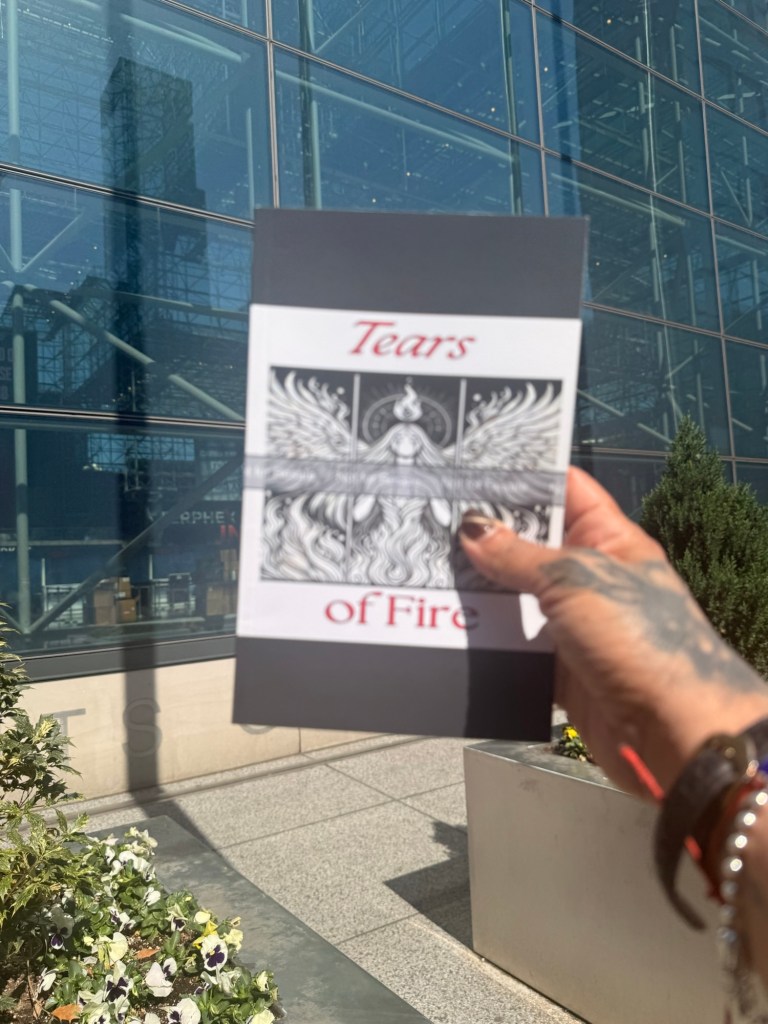
Because that’s where I’m headed. I told myself right there, out loud: next year, I’m coming back as an author.
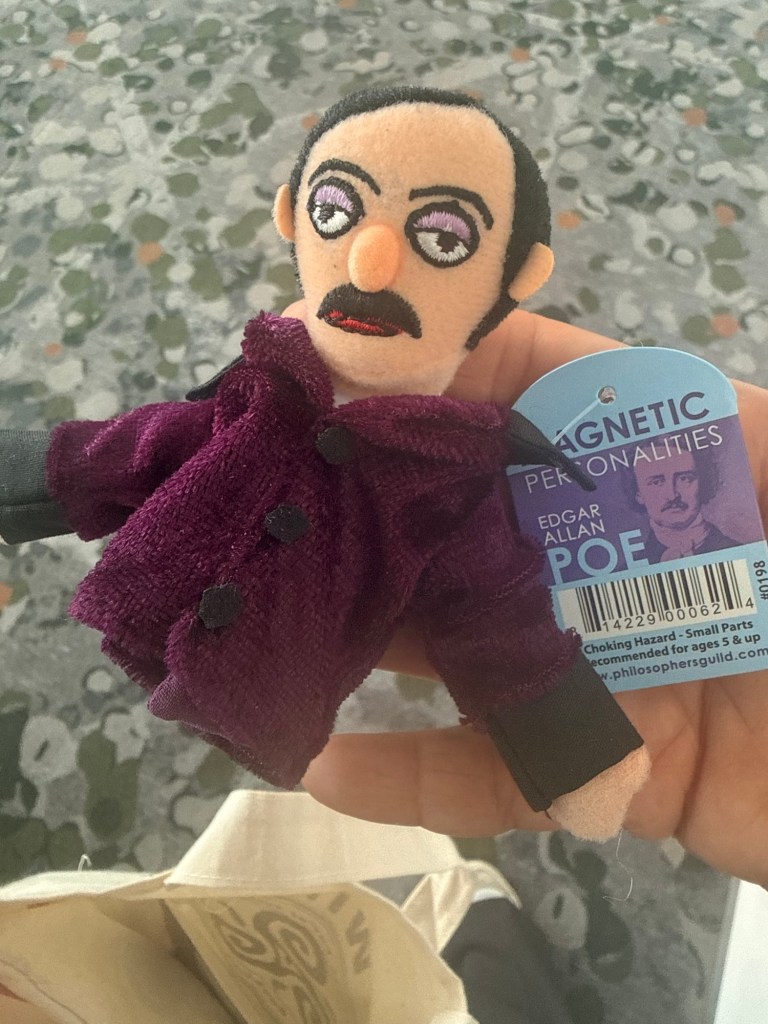
I met some incredible people. I picked up books that called to me. I picked up a little Edgar Allan Poe magnet and now he lives on my writing wall, staring at me every time I sit down to write.
Only a matter of time
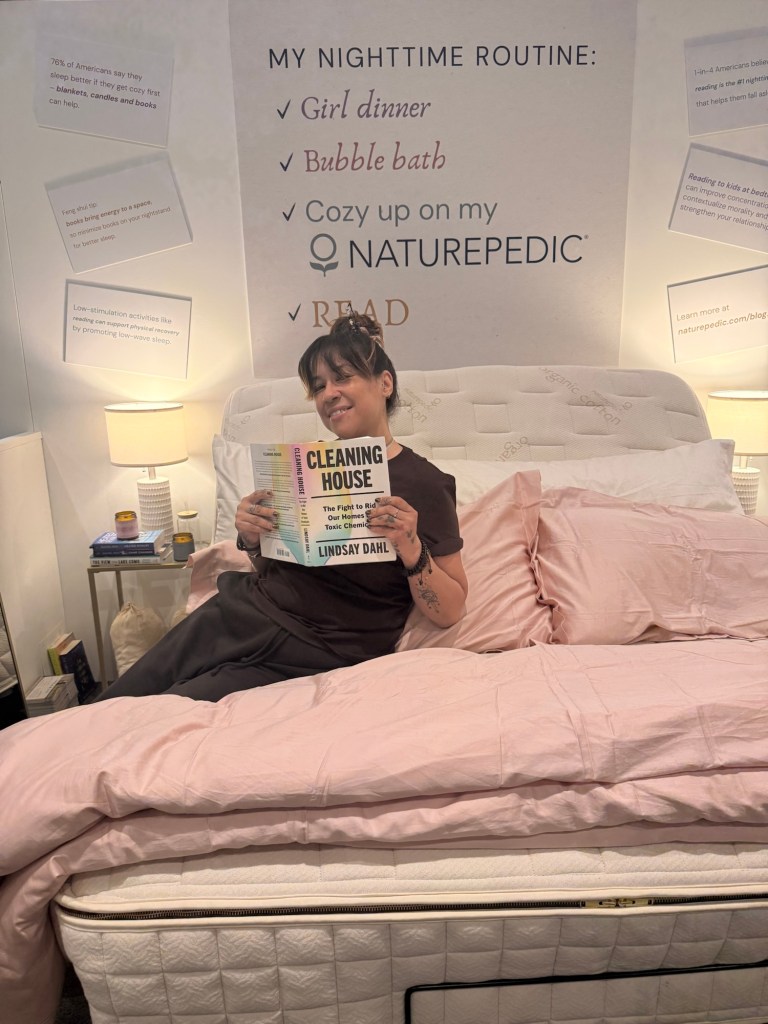
I sat on a Naturepedic mattress at a booth, held up a book, and let someone take my picture like it was the most natural thing in the world, because it was.
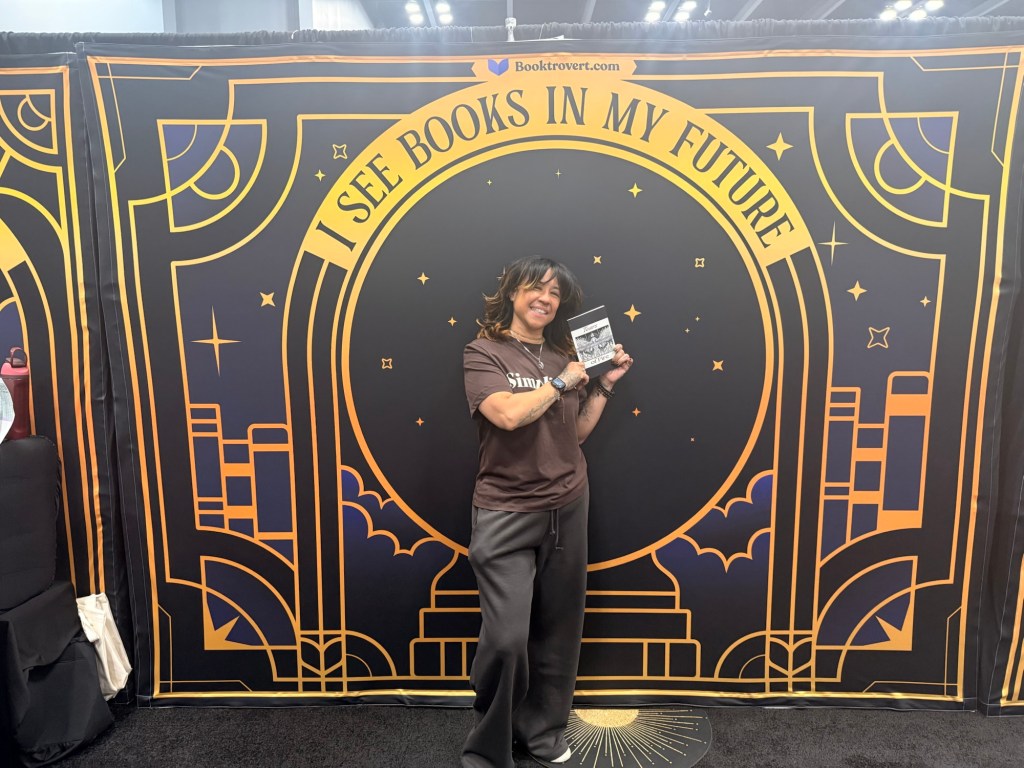
I stood in front of a backdrop that said I See Books In My Future and I believed it.
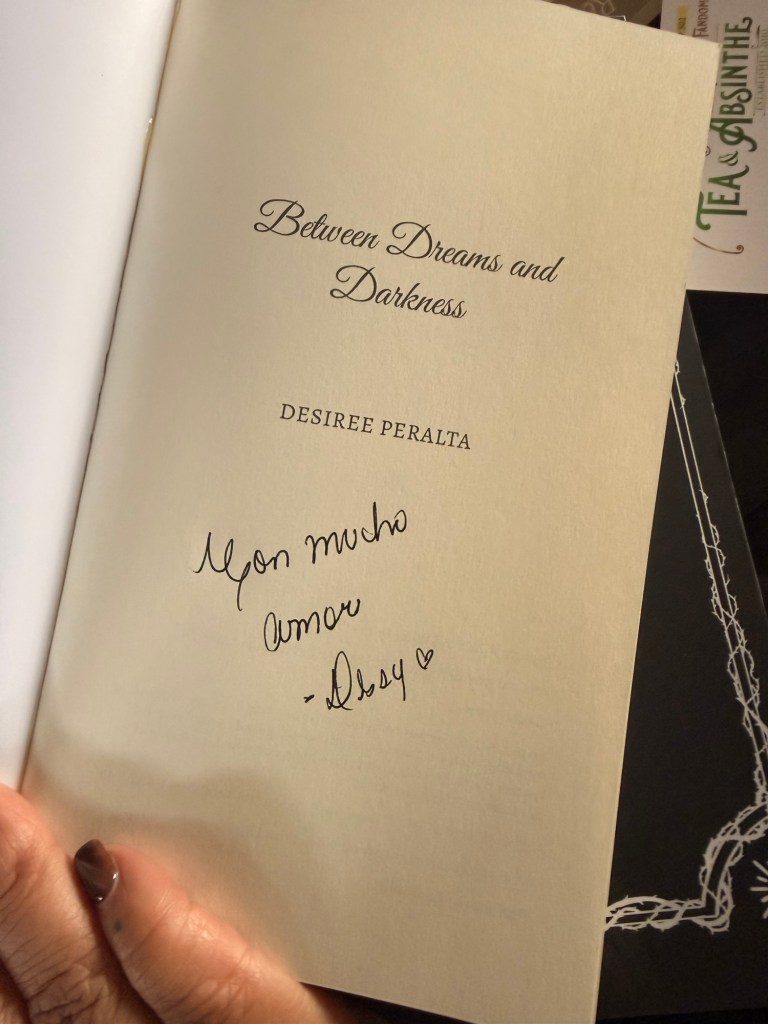
Con mucho amor. That’s what one of the authors wrote in my book. With much love. That’s the energy of BookCon, underneath all the crowds and the chaos. People who made things, sharing them with people who needed them. I needed this day more than I knew. The floor was packed. My feet hurt. I was tired before I even got there. And still, I left full. That’s the writer’s life, isn’t it? You show up tired. You find something that feeds you anyway. You go home and you write about it. See you next year. On the other side of the table.
Manifesting where I will be coming next year w my book